

Documents Needed to Buy an Apartment in Punjab: A Complete Checklist for Homebuyers
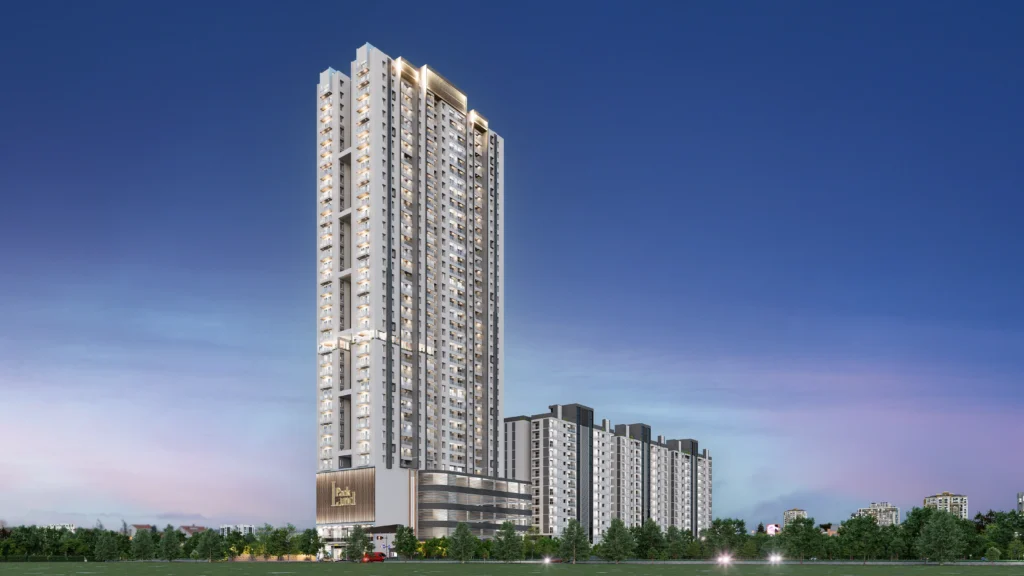
Make Your Property Purchase Secure and Stress-Free
Buying a home is a significant financial decision, and checking the paperwork is just as important as choosing the right location. Understanding the documents needed to buy an apartment in Punjab helps buyers verify ownership, confirm project approvals, identify outstanding liabilities, and avoid unnecessary complications.
Read more
Whether you are purchasing a new apartment, a ready-to-move home, or a resale property, the documentation requirements may differ. Buyers should carefully examine the seller’s ownership records, building approvals, sale agreement, and registration requirements before making payments. At Rangi Developments, informed property decisions begin with transparency, proper documentation, and an understanding of the factors that make a property purchase secure.
Verify Ownership Before Making Any Commitment
The first step when reviewing the documents needed to buy an apartment in Punjab is confirming that the seller has the legal authority to transfer the property. Request the registered sale deed, conveyance deed, or other applicable ownership documents. These records help establish ownership and provide information about previous transfers.
Read more
For resale apartments, examine the previous sale deed and verify that the seller’s details match the available ownership records. If the property has been inherited, additional inheritance-related documents may be necessary. Jointly owned properties may require the participation and consent of all relevant owners.
It is also important to check whether the property is mortgaged, involved in litigation, or subject to restrictions on transfer. A property lawyer can examine the ownership history and identify potential concerns before you proceed.
Check Project Approvals and Registration Details
Project approvals are another important part of the documents needed to buy an apartment in Punjab. For a newly developed apartment, buyers should check the applicable building permissions, sanctioned plans, land-use approvals, and other authorisations issued by the relevant authorities.
Read more
Where the project falls under the Real Estate (Regulation and Development) Act, verify its registration and disclosures through the official Punjab RERA portal. Compare the registered information with the project details provided by the developer.
For completed buildings, check the applicable completion certificate and occupancy certificate, where required. These documents help establish whether the development has completed the relevant approval process for occupation.
Buyers should also review property tax records, applicable revenue records, and outstanding dues where relevant. Since requirements differ according to the property and approving authority, an independent legal review is advisable.
Review Agreements, Payments, and Registration Records
Before paying a booking amount, carefully examine the allotment letter, agreement to sell, or builder-buyer agreement. These documents should clearly identify the apartment and specify the applicable area measurements, payment schedule, possession conditions, cancellation provisions, and maintenance responsibilities.
Read more
Ask for a written statement of applicable charges and payment obligations. Avoid relying entirely on verbal promises about possession, amenities, specifications, or additional facilities.
If you are purchasing through a home loan, your lender may require identity documents, income proof, bank statements, and property records for legal and technical verification. Keep all payment receipts and bank transfer confirmations.
Finally, confirm the stamp duty and registration requirements applicable to your transaction. After completing the sale, retain the registered deed, possession documents, and other relevant records securely.
Essential Documents Every Homebuyer Should Review
The following checklist can help organise the documents needed to buy an apartment in Punjab. Not every document applies to every property, so confirm the requirements with a qualified lawyer.
Read more
- Ownership documents: Registered sale deed, conveyance deed, and relevant ownership history.
- Seller identification: Identity proof and evidence of legal authority to sell.
- Project approvals: Applicable sanctioned plans, building permissions, and land-use approvals.
- Punjab RERA details: Registration information and disclosures for projects covered by RERA.
- Completion records: Applicable completion and occupancy certificates for completed buildings.
- Financial records: Property tax receipts, maintenance statements, and relevant utility payment records.
- Mortgage information: Details of any existing loan, charge, or encumbrance.
- Sale agreement: Written terms covering the apartment, payment schedule, possession, and obligations.
- Payment evidence: Booking receipts, bank transfers, and other transaction records.
- Registration documents: Documents required to complete the transfer and register ownership.
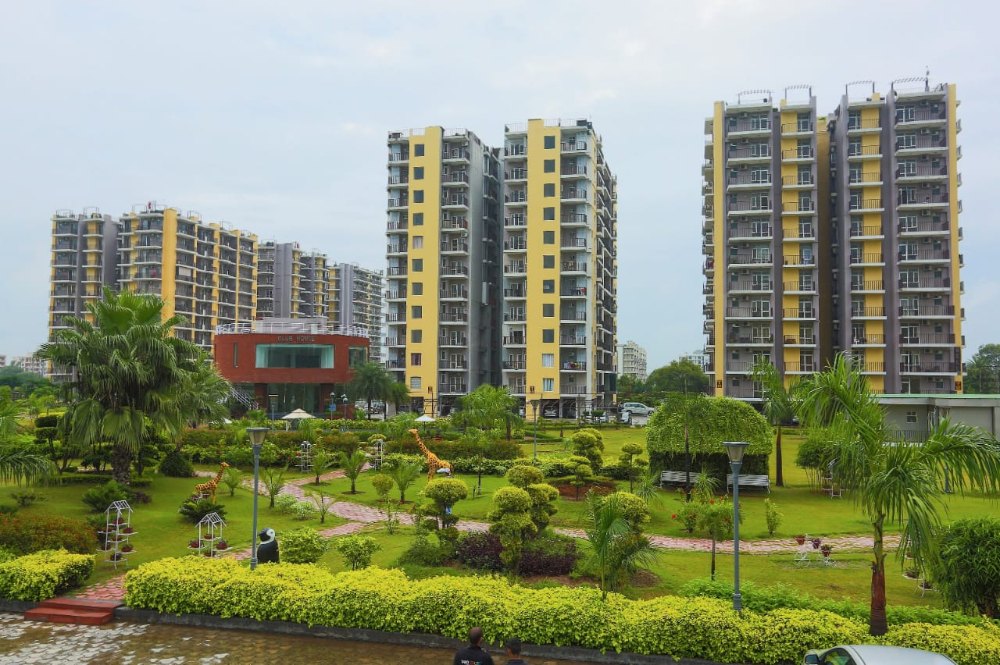
Follow These Steps Before Finalising Your Apartment
A structured verification process makes the purchase easier to manage and reduces the possibility of overlooking important paperwork.
- Confirm ownership: Verify the seller's identity, title documents, and authority to transfer the apartment.
- Review the title history: Ask a property lawyer to examine previous transfers and potential ownership disputes.
Read more
- Check approvals: Verify relevant permissions, project registration, and completion records where applicable.
- Investigate liabilities: Check mortgages, outstanding dues, litigation, and restrictions on transfer.
- Read the agreement: Understand payment obligations, possession terms, cancellation provisions, and other conditions.
- Arrange loan verification: If financing the purchase, obtain the lender's documentation checklist.
- Complete registration: Follow the applicable stamp duty and registration process with professional guidance.
- Secure final records: Collect registered documents, payment receipts, possession records, and relevant property information.
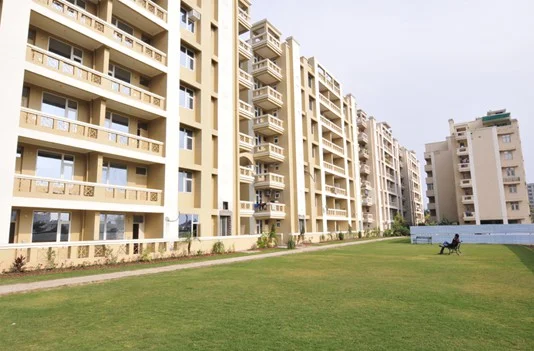
Make Due Diligence Your First Investment
Understanding the documents needed to buy an apartment in Punjab can help you make a more informed decision and reduce avoidable legal and financial risks. Ownership verification, project approvals, written agreements, and proper registration should form the foundation of every purchase.
Read more
For project information, visit Rangi Developments and evaluate the available details carefully. Always verify important claims independently and seek professional advice before signing an agreement or transferring substantial funds.
Frequently Asked Questions About Apartment Documents in Punjab
What are the most important documents needed to buy an apartment in Punjab?
The essential documents needed to buy an apartment in Punjab generally include the title deed, seller identification, ownership history, sale agreement, applicable project approvals, payment receipts, and registration paperwork. Requirements depend on the property type.
Is Punjab RERA registration important when buying an apartment?
Yes. Where a project falls under RERA, verify its registration and disclosures through the official portal. Compare the registered information with the developer’s documents and independently check ownership, approvals, and contractual obligations before purchasing.
What should I check before buying a resale apartment?
Review the registered sale deed, ownership history, mortgage status, outstanding property dues, and applicable society or association records. A property lawyer should confirm the seller’s authority to transfer ownership and identify potential legal complications.
Do I need an occupancy certificate for a ready apartment?
An occupancy certificate may be required to establish that a completed building is authorised for occupation. Confirm the applicable requirements with the relevant authority or lawyer rather than assuming that possession alone proves compliance.
Which documents are needed for a home loan?
Lenders commonly request identity proof, address proof, income documents, bank statements, and property papers. Requirements differ between lenders, so obtain the specific checklist early and allow sufficient time for legal and technical verification.
What is a chain of title?
A chain of title records the sequence of ownership transfers for a property. Reviewing it helps identify gaps, disputed transfers, or other concerns before you complete the documents needed to buy an apartment in Punjab.
Should I check property tax and maintenance dues?
Yes. Request available property tax receipts, utility payment records, and written confirmation of outstanding maintenance charges. Clarify who must settle existing liabilities before registration or possession to avoid unexpected expenses after purchasing.
Can I rely only on the builder's brochure?
No. A brochure is promotional material rather than proof of ownership or regulatory compliance. Verify important claims through official records, approved plans, applicable registration details, and an independently reviewed agreement before paying.
Why should a property lawyer review apartment documents?
A lawyer can examine ownership, title history, approvals, contractual conditions, and registration requirements. Professional review helps identify legal concerns that may not be obvious from a basic checklist or the documents provided by the seller.
Where can I explore projects by Rangi Developments?
Visit Rangi Developments for project information and available property details. Before purchasing, independently verify applicable approvals, specifications, registration records, and contractual terms with qualified professionals.